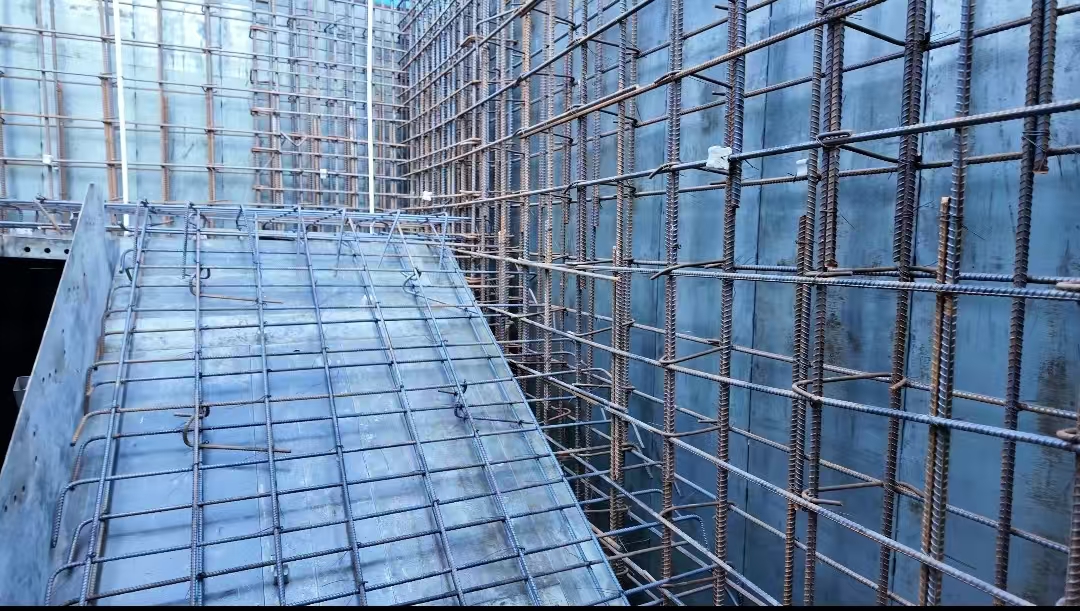
Why compliance review, not price, decides whether your formwork is approved
On GCC projects, formwork submittals are rarely rejected because a quote was high. They are rejected because the package was incomplete: no material traceability, no assembly drawing, no method statement for climbing or lifting, or a coating claim that cannot be tied to a batch. The consultant's engineer is not being difficult. He has to sign off on a system he cannot see tested. Build your comparison around documents first, price second.
1. Documents to request before you compare prices
Ask for these six items in writing. A supplier who cannot produce them is not ready for a GCC project, whatever the quotation says.
- Material certificate for the steel batch. A mill test certificate that names the grade, the heat or batch number, and the mechanical properties of the coil actually used. Ask for the batch number so it can be matched to the panels you receive.
- Panel inspection record. Dimensional check, diagonal check and flatness measurement per panel type, with the tolerances stated. A photograph of a panel is not an inspection record.
- Coating specification. The coating system, the surface preparation standard, and the dry film thickness range. Ask which layer protects the cut edges, because that is where corrosion starts.
- Assembly and layout drawings. Standard panel grid, tie and strut positions, lifting points, and the accessory schedule that goes with each panel type.
- Operation and safety manual. Erection sequence, permissible wind condition for lifting, concrete pour rate limit, and the strip-and-lift procedure.
- Packing list and loading plan. Panel quantities per bundle, stack heights, and the loading sequence for a 40ft container or a flat rack. A badly loaded bundle arrives with bent frames and a site argument.
2. How to verify what you were given
Documents can be copied from another project. Three checks catch most of it.
- Match the batch. Compare the certificate number against the batch marking on the delivered panels. If the two cannot be linked, treat the certificate as a marketing document.
- Test your own sample. Send one panel from the first shipment to a third-party laboratory in your jurisdiction for coating thickness and steel grade confirmation. The cost is small against the value of being wrong on a tower.
- Cross-check the drawing against the delivery. Take the accessory schedule and count what actually arrived: ties, pins, walers, braces, working platforms. Missing accessories stop a pour faster than missing panels.
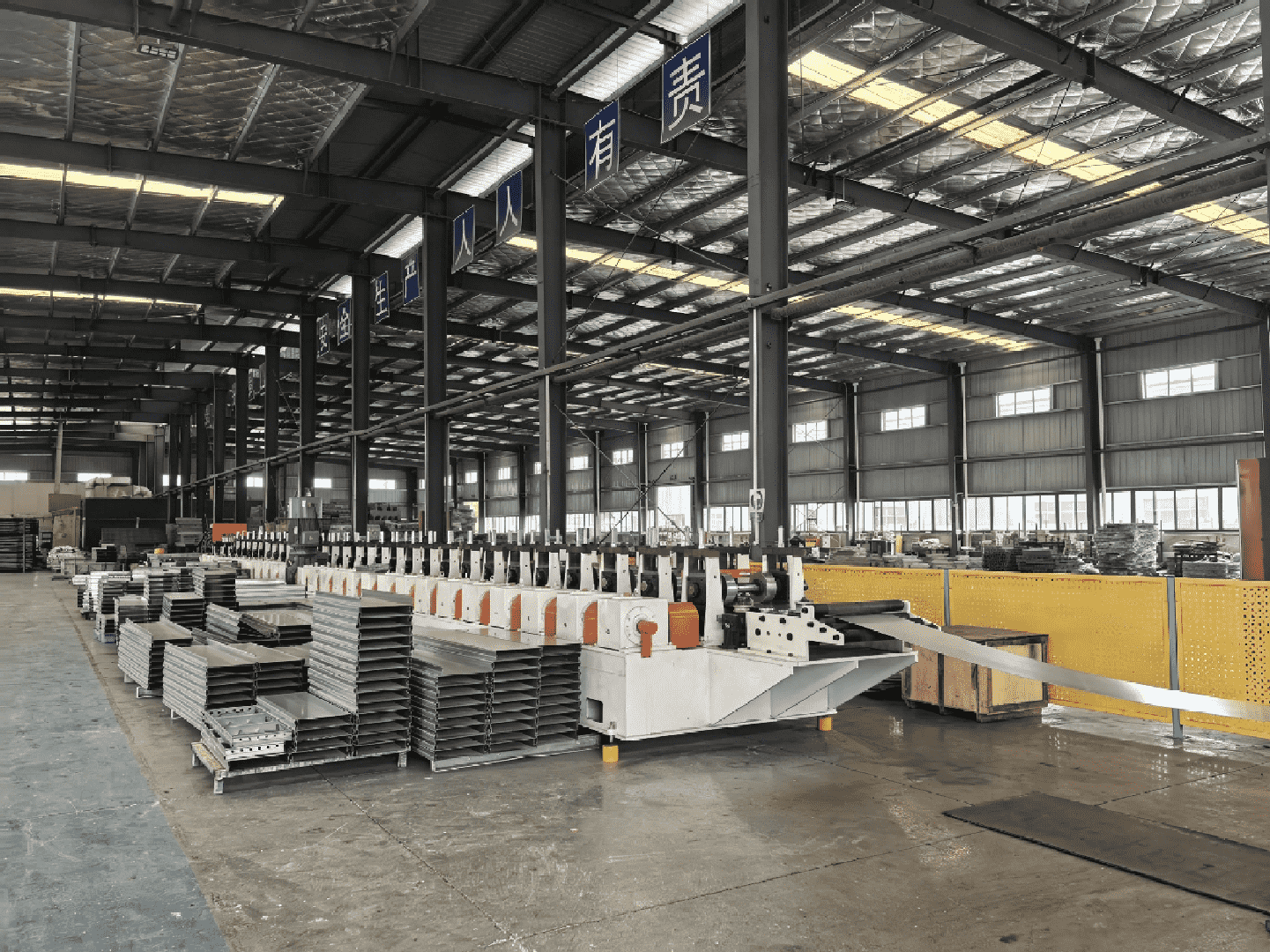
3. Site acceptance checks
- Panel frame straightness: sight along the frame edge, not only the face.
- Joint gap between adjacent panels: check it dry, before the first pour.
- Coating damage at cut edges, weld seams and lifting lugs.
- Free movement of every pin, wedge and locking device.
- Panel numbering legible and matching the layout drawing.
- Turnover record: how many cycles this set has already done, and where it was used.
- Safety devices present and complete: working platforms, guard rails, lifting lugs.
4. Total cost beyond the unit price
Two suppliers can quote differently and both be right. The cheaper quotation can cost more by the third pour if the panels need repair, if the stack height forces extra containers, or if accessories run short and the site waits. Ask each supplier to state, in writing: the expected turnover cycles for the specification being offered, the repair policy for a bent frame or a damaged edge, the panel weight and stack height, and the recommended spare accessory ratio per hundred panels.
5. Ten questions to put in writing before you award
- Which steel grade, and which mill supplies it?
- Can you provide the mill certificate for the exact batch you will ship?
- What coating system and dry film thickness will you guarantee?
- What turnover cycle figure do you state for this panel specification?
- Who designed the system, and will you provide assembly drawings for our layout?
- What is your repair procedure for a bent frame or a damaged panel edge?
- How do you pack for sea freight, and what damage rate should we expect on arrival?
- What site support is included: drawings, erection supervision, or training?
- What accessory ratio do you recommend per panel, and why that figure?
- Which projects in this region have used this exact specification, and may we visit one?
6. Where modular steel formwork fits
The questions above apply to any system. Modular steel formwork earns its place on repetitive vertical and horizontal work, where the same panel set repeats storey after storey.
- Wall formwork for core walls, shear walls, retaining walls and basement walls, where a modular wall system keeps the panel grid consistent from pour to pour.
- Column formwork for rectangular and square columns, where an adjustable column set avoids a new mould for every section change.
- Beam formwork for downstand and edge beams, where a beam assembly has to carry its own working platform safely.
- Slab formwork for suspended slabs and transfer plates, where a slab system is judged on deflection control and the stripping sequence.
- Stair formwork for cast-in-place flights, where a stair set has to be right the first time because the geometry does not forgive.
The Q700 high-strength alloy steel panels we manufacture are built around standard modular sizes, with a protective coating for site handling, and are specified for repeated turnover. Custom sizes are available where the standard grid does not fit the drawing. Our engineering team can review your layout and advise which panel combination reduces the number of specials.
7. Next step
Send us the project type, your typical wall or slab panel sizes, the pour sequence, and the site conditions: wind, access, crane capacity. We will come back with the panel combination we would propose, the documentation we can provide for your submittal, and the points your consultant is most likely to question. We do not issue certificates we do not hold. If your specification requires a particular approval, tell us early and we will say clearly whether it can be met.
Arabic summary / ملخص بالعربية
في مشاريع دول الخليج، لا تُرفض ملفات القوالب الفولاذية بسبب السعر، بل بسبب نقص الوثائق: شهادة المادة، وسجلات فحص الألواح، ومواصفات الطلاء، ومخططات التركيب، ودليل التشغيل والسلامة، وقائمة التعبئة. اطلب هذه المستندات قبل مقارنة الأسعار، ثم تحقق من رقم الدفعة على الألواح المستلمة، وأرسل لوحاً واحداً إلى مختبر مستقل للتأكد من سماكة الطلاء ودرجة الفولاذ، وقارن جدول الملحقات بما وصل فعلاً. عند الاستلام في الموقع افحص استقامة الإطار، وفجوة الوصل بين الألواح، وتلف الطلاء عند الحواف، وحركة المسامير والأقفال، ووضوح ترقيم الألواح، وسجل عدد دورات الاستخدام، واكتمال تجهيزات السلامة. اسأل المورد كتابياً عن درجة الفولاذ والمصنع، وشهادة الدفعة، ونظام الطلاء وسماكته، وعدد دورات الاستخدام المعلن، وجهة تصميم النظام والمخططات، وإجراءات الإصلاح، وطريقة التعبئة البحرية ونسبة التلف المتوقعة، ونطاق الدعم في الموقع، ونسبة الملحقات الموصى بها، ومشاريع مماثلة في المنطقة يمكن زيارتها.
Arabic summary is a machine translation draft and is pending native review.